


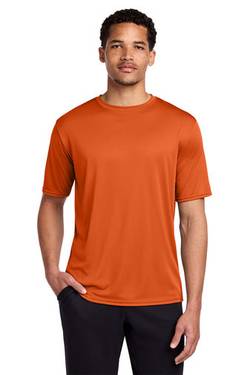

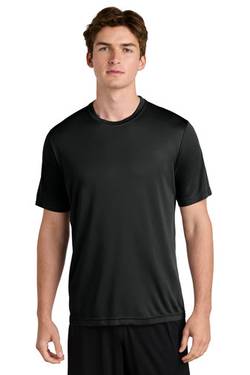

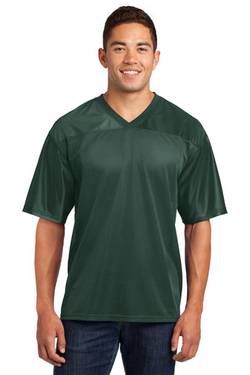
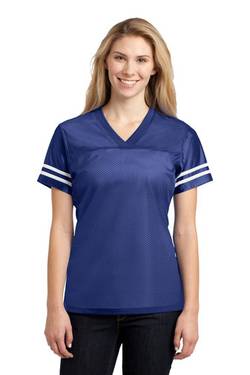

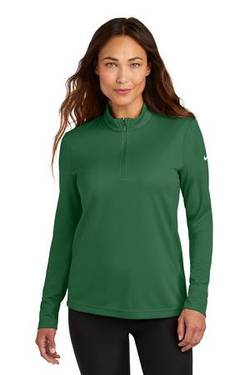




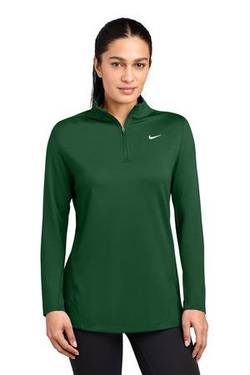
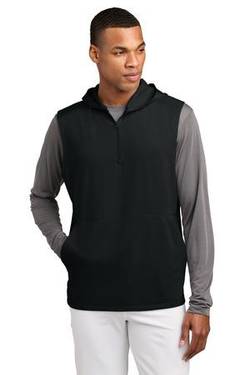
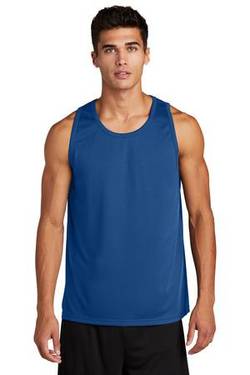
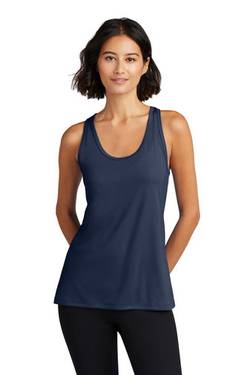
For a race shirt that people will actually run in, start with a lightweight moisture-wicking performance tee. That is the strongest all-around choice of running attire that suits 5Ks, charity runs, corporate races, running clubs and marathon events because participants may spend anywhere from 20 minutes to several hours moving, sweating and wearing the same garment.
A heavy cotton promotional shirt may work as post-race merchandise. It is usually not the best first choice for the actual run.
At ShirtsBargain, race organizers can build running clothes orders around performance tees, long-sleeve options and related sportswear for participants, clubs, volunteers and event teams. The right product depends on who is wearing it and when.
Find Running Clothes That Match the Distance and Event
A community fun run and a marathon do not place the same demands on running clothing.
For a short, casual 5K, organizers can keep the participant shirt simple. A lightweight performance tee still makes sense as a running outfit, but there is less need to build an elaborate running kit.
For half-marathons, marathons and serious running groups, performance fabric becomes more important because the athlete is wearing the garment for considerably longer.
The core rule is simple:
The longer and harder the run, the stronger the case for lightweight moisture-wicking apparel.
Everyday Running Wear for Training, Clubs & Short Races
For running clubs, weekly training groups, corporate wellness programs and 5Ks, a lightweight short-sleeve performance tee is the most useful starting point. It’s part of the best running gear anywhere.
The Sport-Tek ST350 PosiCharge Competitor Tee is a particularly strong option for this segment. It uses 3.8-ounce 100% polyester interlock, is lightweight and moisture-wicking, and comes in sizes ranging from XS through 6XL in ShirtsBargain. That broad size range is useful for large races where one core shirt needs to cover a diverse participant group.
A performance shirt like this also makes more sense for recurring running clubs than a heavyweight cotton tee. Members may actually train in it instead of treating it only as event merchandise. For race directors, that matters. A shirt that stays in someone's running rotation continues carrying the club, event or sponsor identity long after race day.
Browse our blank performance t-shirts when building participant and training-group orders.
Performance Running Apparel for Longer Distances
For half-marathons, marathons and endurance-oriented events, keep the race shirt light.
A runner generating heat over 13.1 or 26.2 miles does not benefit from extra fabric weight simply because the shirt feels more substantial in the hand.
Lightweight, breathable clothing is also the recommended direction for exercise in warm conditions. The Road Runners Club of America recommends light-colored, breathable fabrics for hot-weather running, while the American Heart Association specifically recommends lightweight, loose-fitting clothing and notes that moisture-wicking fabric can help.
The ST350's 3.8-ounce polyester construction and moisture management make it better aligned with this use case than a standard heavyweight promotional tee.
Another option is the Port & Company PC380 Performance Tee. It is also 3.8-ounce 100% polyester, uses Dry Zone moisture-wicking technology and carries a UPF 50 rating. It runs XS-4XL.
That makes the two products useful for slightly different priorities:
ST350: stronger choice when extended sizing through 6XL is important.
PC380: worth comparing when UPF 50 is specifically valuable for an outdoor race program.
For a large participant order, that is more useful than simply asking which shirt is “better.”
What Makes Great Running Apparel?
The best running apparel has to manage movement, heat and sweat without becoming a distraction.
For event buyers, the most useful characteristics are:
Low fabric weight, moisture management, comfortable movement and a size range broad enough for the participant group.
Not every athletic-looking shirt delivers those things. So we recommend reading the actual garment specifications first.
Lightweight Fabrics for Warm-Weather Runs
For hot-weather running, choose the lightest practical performance shirt with confirmed moisture management. Do not move toward a heavyweight shirt because it feels more premium.
Mayo Clinic advises people exercising in hot weather to choose lightweight, loose-fitting clothing that allows sweat to evaporate, and both the AHA and RRCA make similar recommendations.
For race programs, a 3.8-ounce polyester performance tee such as ST350 or PC380 in ShirtsBargain makes more sense than the rest as the participant shirt than a traditional heavy cotton blank.
Color can matter too. For races held in strong summer sun, lighter colors are a sensible direction because dark colors absorb more heat. That does not mean every event needs a white shirt. It does mean the visual branding decision should consider the actual race conditions.
Running Gear That Works Beyond Race Day
The best race shirt is not necessarily the one with the largest logo or the lowest unit price.
Ask whether participants will run in it again. A lightweight technical tee can become part of a runner's training wardrobe. That gives charity events, clubs and sponsors continued visibility after the event instead of producing another t-shirt that is only worn once.
For recurring races, this also creates an opportunity to improve the shirt each year.
Track:
sizes that ran out first
sizes left over
color preferences
participant feedback
men's/women's cut demand
whether people actually wore the shirt during the race
Those details are much more useful for next year's purchase than simply repeating the previous quantity.
Explore Running Apparel from Sport-Tek and Port & Co
Sport-Tek and Port & Company both have products that can work for race programs, but they should not be treated as interchangeable.
Sport-Tek is the stronger place to start when the apparel is intended primarily for active performance. The brand’s Competitor Tee is already among the best running outfits in the wholesale market today.
Port & Company gives organizers another performance option while also offering lower-cost everyday apparel for volunteers, staff and race merchandise.
Sport-Tek Running Apparel for Active Performance
For participants, Sport-Tek apparel is the stronger of the two brand directions in this brief.
The ST350 is the obvious core style to consider.
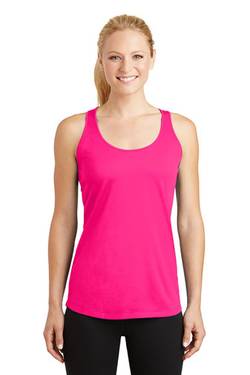
It is a lightweight 3.8-ounce 100% polyester performance tee with moisture-wicking PosiCharge technology. Comes in men's sizing through 6XL and also comes in women's and youth variants.
That makes it particularly useful for:
5Ks
charity races
running clubs
corporate wellness runs
school running events
marathon participant shirts
race teams requiring a wide size range
For cooler races, the ST350LS long-sleeve version keeps the same 3.8-ounce 100% polyester PosiCharge construction while adding arm coverage. That is a better approach than choosing a much heavier shirt simply because the race is scheduled for fall.
Port & Co Running Wear for Race Events & Support Teams
Port & Company apparel can play two roles in a race program.
For runners, start with the PC380 performance tee rather than one of the brand's standard cotton shirts. The PC380 is 3.8-ounce 100% polyester, moisture-wicking and UPF 50 rated.
For volunteers, registration teams and support personnel who are not running, you have more flexibility.
A performance tee still makes sense for staff spending hours outdoors or moving around the course. A conventional cotton or cotton/blend tee can be considered for lower-activity roles such as packet pickup, indoor registration or post-race merchandise tables.
That is where a race organizer can control cost intelligently:
Put performance apparel where performance matters.
There is no need to give the finish-line merchandise-table volunteer the same technical shirt as someone running 26.2 miles unless uniform consistency is the bigger priority.
Which Running Outfit Works Best for Your Activity?
For most race participants, the organizer does not need to provide a complete outfit.
Supply the piece that creates the event identity: usually the shirt.
Runners can choose their own shorts, tights, socks and footwear based on personal preference.
A practical running outfit for the event therefore starts with a lightweight technical race tee and lets the participant control the rest.
Layering for Morning, Evening & Cool-Weather Runs
Cold-weather running apparel should be layered rather than built around one thick race shirt.
For a cool morning 5K or fall race, a long-sleeve performance shirt such as the ST350LS can work as the event layer.
For genuinely cold conditions, runners may still need another outer layer that they can remove as their body temperature rises.
That is important because the beginning of a race can feel much colder than mile three.
Do not order a heavyweight sweatshirt as the actual race shirt simply because runners will be standing around in cool weather before the start.
A sweatshirt can make good finisher merchandise or pre/post-race gear. It solves a different problem.
For changing weather, browse our wholesale sportswear selection for additional team and event layers.
Matching Apparel for Clubs, Charity Runs & Team Events
Running clubs and company teams benefit from consistency. Choose one performance style, then use color and artwork to identify the group.
For recurring clubs, the size range deserves extra attention because membership changes over time. A core style such as ST350 that extends through 6XL gives organizers more room to keep everyone in the same shirt.
Charity runs have a slightly different priority. The shirt often has to carry both the event identity and sponsor recognition.
Keep the main event design readable. If several sponsors need visibility, avoid turning the front of the running shirt into a wall of small logos. A large back sponsor area or other event materials may give the artwork more room while preserving the participant shirt as something people will want to wear again.
For youth runs or family events, use actual youth performance styles rather than trying to shrink an adult order into the smallest available sizes.
Shop Running Clothes Online from ShirtsBargain
For the participant shirt, start in our wholesale performance T-shirt collection.
For the majority of running events, styles like the ST350 or PC380 are better aligned with the actual activity than a standard heavyweight tee.
The next step is to decide whether the event needs anything else.
A 5K may only need one participant shirt.
A marathon may need participant apparel, volunteer shirts and separate race-team clothing.
A running club may need short sleeve and long sleeve versions using the same visual identity.
Buy around those jobs rather than adding products simply because they are available.
Bulk Running Apparel for Events, Clubs & Organizations
For a bulk race order, do not guess an even size split. Collect registrations and actual shirt sizes whenever the event system allows it.
If shirt ordering has to happen before registration closes, combine current registrations with previous race data and a reasonable late-registration buffer.
For annual events, save the previous year's:
total shirts ordered
actual registrations
size distribution
unused shirts
late size requests
That data can make the next year's purchase far more accurate.
Large clubs should also consider products with broad size coverage. ST350's current XS–6XL range is valuable here because it reduces the chance that extended-size runners need a completely different shirt.
Affordable Performance Apparel for Every Run
“Affordable running clothes” should not mean giving runners the cheapest blank available.
The better question is:
How much technical performance does this person actually need?
For race participants, prioritize the performance shirt.
For volunteers, use performance fabric where people will be active or outdoors for long periods. Less active support roles can move toward simpler blanks if the budget is tight.
For finisher swag or post-race merchandise, you can take another approach entirely. Cotton shirts, hoodies or other lifestyle garments may make more sense because the recipient is no longer running in them.
That separation helps an organizer control costs without compromising the apparel that matters most during the race.