


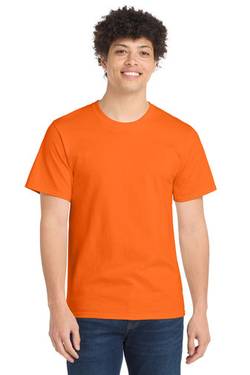

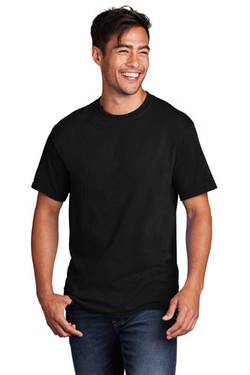
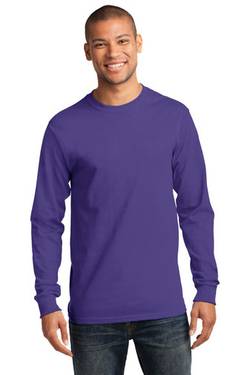
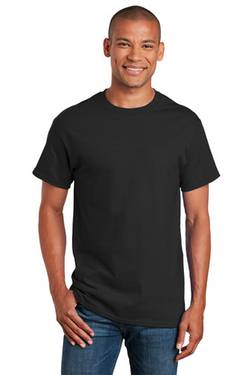

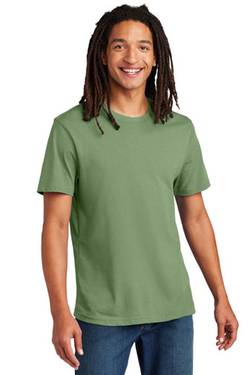

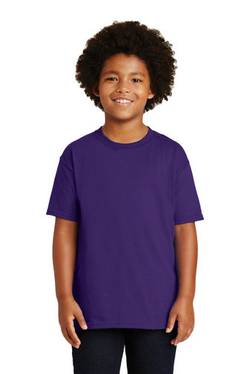
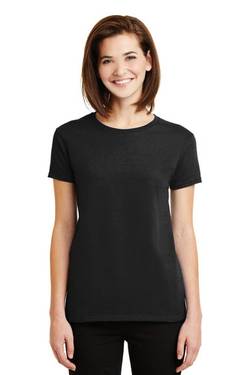
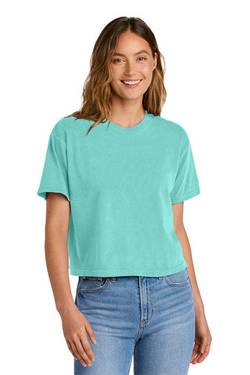

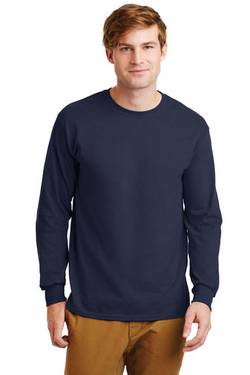
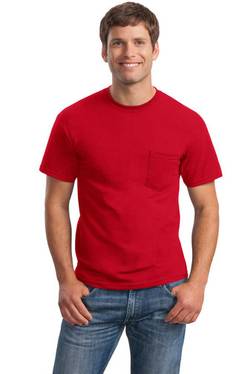
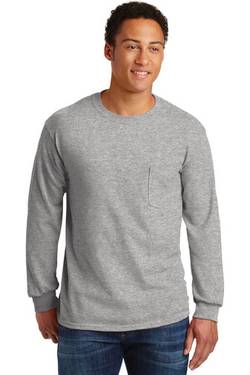
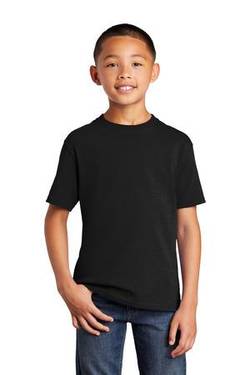
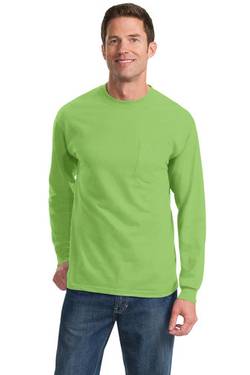
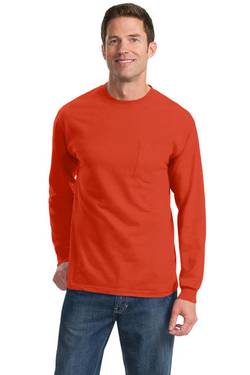
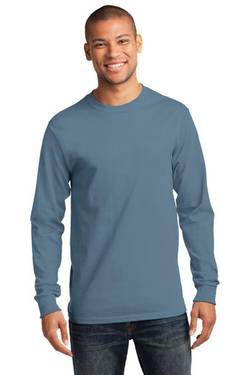
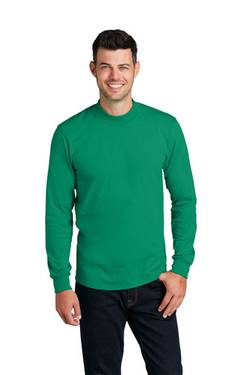
"Heavyweight" is one of the least standardized words in blank apparel. One supplier uses it for a 5.3-ounce tee, another reserves it for something over 7 ounces, and both are technically allowed to.
So start with the number. Our wholesale heavyweight t-shirts are grouped for buyers who want a substantial blank rather than a lightweight event shirt, and the way to compare them is by the listed ounce or GSM weight, not the word on the label.
Below we've covered what the weight actually changes, how fit and fabric construction affect whether a heavy tee is comfortable to wear, and what to plan for when you're buying a few hundred of them. If you're still deciding on weight class, the full wholesale t-shirt range shows the lighter options alongside these.
Heavyweight T-Shirts for a More Structured Everyday Fit
Fabric weight is measured per square yard in the US, usually in ounces, and per square meter almost everywhere else in GSM. One ounce per square yard is about 33.9 GSM, so a 6-ounce tee lands near 203 GSM and a 4.3-ounce tee near 146.
That gap is what you feel in the hand. Heavyweight tee shirts drape less and hold their own shape instead of following the body, which is the whole appeal for anyone selling merch or building a brand around a specific silhouette. The fabric sits away from the wearer rather than clinging.
Opacity is the other practical difference, and it's underrated. A heavy weight t-shirt shows less through the fabric, which matters for white and light colors, and it hides what's underneath in a way a thin tee doesn't. Anyone who has printed a light-colored 4-ounce shirt and watched the ink shadow show through from the inside knows the problem.
Heavier fabric also tends to hold its collar and hem longer, though that has more to do with construction than weight. More on that further down.
Comfortable Tees for Casual Wear, Work & Custom Projects
Heavier tees earn their place in a few situations more than others.
Retail and merchandise programs are the clearest fit. For retail and merchandise programs, a heavier fabric can help create a more substantial feel that some buyers associate with premium apparel. Weight is the fastest way a buyer judges quality by touch, fairly or not.
Uniform programs benefit for a different reason: A heavier fabric may offer added durability, but garment lifespan also depends on yarn quality, construction, stitching and care, and a crew shirt gets washed far more often than a shirt someone wears twice a summer.
Cool-weather use is straightforward. A heavy tee works as a standalone shirt into fall and as a base layer under a hoodie or jacket, where a thin tee doesn't add much.
Where they're the wrong call: a 5K in July, a summer festival giveaway, or anything where several hundred people get a shirt they'll wear once. The lighter blank costs less and is more likely to be worn again.
Plain & Blank Styles Ready for Your Own Designs
Plain heavyweight t-shirts are a popular option for merchandise, uniforms and custom apparel projects, and the reason decorators keep coming back to them is that heavier fabric is more forgiving on press.
A thicker, denser knit can provide a stable printing surface, although print performance depends on the fabric, ink system and decoration method. It handles a white underbase on dark colors more cleanly. Puff, high-density and thick specialty inks sit better on a stable surface than on a thin, stretchy one.
For embroidery, weight helps too. A denser fabric supports stitching with less puckering than a lightweight jersey, though backing and digitizing still do most of that work.
Private-label and clothing brand projects usually come down to fabric hand rather than weight alone. Two 6-ounce tees can feel completely different depending on whether the yarn is open-end carded cotton or combed ring-spun. Check that spec next to the weight, because it's the one buyers of blank heavyweight t-shirts most often skip.
Choose the Right Heavyweight Tee for Your Apparel Needs
Weight is one variable. Fit is the one that decides whether the shirt gets worn.
The category covers everything from a traditional heavy cotton tee that's been made the same way for decades to boxy, modern cuts built for a completely different look. Buying one when you wanted the other is the most common mistake bulk buyers make.
Classic Fits, Roomier Styles & Oversized Options
A classic heavyweight tee is a standard-fit shirt in thicker fabric. Regular body width, standard sleeve length, familiar proportions. It's what most uniform programs and group orders want, because it fits a wide range of people predictably.
The oversized heavyweight t-shirt is a different garment. Wider through the body, shorter and boxier in proportion, often with a drop shoulder that sits partway down the arm. Streetwear brands drove the demand and it's now a standard part of merch programs.
The important thing about oversized styles: they're not just a regular tee sized up. A drop-shoulder shirt in a large has a different body width to length ratio than a standard large, which means people don't size the same way across the two. If you've been running standard fits and you switch to an oversized cut, collect fresh sizes. Don't reuse last year's list.
Compare the actual garment measurements - chest width and body length - rather than the size letter. Two shirts both labeled large can differ by two inches across the chest, and on a boxy cut that's the entire look.
Fabrics That Deliver Weight Without Feeling Uncomfortable
A heavy shirt that nobody wants to wear is a wasted order, and weight alone doesn't determine that.
Yarn construction matters most. Combed ring-spun cotton is spun and cleaned to remove shorter fibers, which produces a smoother, softer surface. Open-end carded cotton generally has a more textured feel than combed ring-spun cotton and is commonly used in value-focused heavyweight tees. At the same ounce weight, the ring-spun version feels noticeably better and usually costs more.
Knit structure affects breathability. An open knit moves air even at a higher weight; a tight, dense knit at the same weight traps more heat. This is why one 6-ounce tee can be comfortable in warm weather and another isn't.
Fiber content changes the feel again. Cotton is breathable and takes print well but holds moisture. Poly content adds shape retention and faster drying but changes the surface. Blends sit in between, and the ratio matters more than the word "blend."
Softness after washing is worth thinking about too. Heavier open-end cotton often breaks in over the first several washes and ends up softer than it feels new. Ring-spun starts soft and stays fairly consistent.
Port & Company and Gildan Heavyweight T-Shirts at ShirtsBargain
Port & Company and Gildan are two widely used brands offering heavyweight blank t-shirt options, and they solve slightly different problems.
Port & Company Options for Custom & Everyday Apparel
Port & Company is a value-focused blanks line, which makes it a common starting point for businesses, schools, churches and event organizers ordering across a broad group.
The appeal for group orders is availability and consistency. A brand that's widely stocked is a brand you can reorder in six months without redesigning around a discontinued style, which matters more than most first-time buyers realize.
Browse the Port & Company range to compare the heavier styles against the mid-weight options in the same line.
Gildan Heavyweight Tees for High-Volume Apparel Orders
Gildan is a widely used brand for high-volume printing and bulk apparel programs in North America, and the reason is scale. Screen printers, promotional companies and merch programs run through thousands of Gildan units because the pricing works at volume and the styles stay in production for years.
For a reseller or a clothing brand doing repeat drops, that continuity is worth as much as the unit price. Building a product around a blank that disappears is an expensive lesson.
Explore ShirtsBargain’s Gildan selection to discover styles and compare weights before committing a large order to one blank.
Bulk Heavyweight T-Shirts for Businesses, Brands & Events
Buying bulk heavyweight t-shirts changes what you're optimizing for. On a twelve-shirt order, unit price barely matters. On a thousand, a 60-cent difference is $600, and a fit problem is a return you can't process.
Wholesale Tees for Resale, Merchandise & Custom Branding
Clothing brands buying blanks for resale should lock the blank before designing the label program. Tear-away tags, relabeling and neck print all depend on how the garment is built, so that decision comes first.
Screen printers ordering heavyweight t-shirts wholesale usually keep a heavy blank in stock alongside a lighter one, because customers ask for both and the sample that sells the job is the one you can hand them.
Promotional and merch companies use weight as a tier. Lightweight for the giveaway, heavyweight for the item that gets sold or given to staff. It's a simple way to signal value difference without changing the artwork.
Retailers and ecommerce sellers care most about repeat availability. A blank that sells out for a quarter breaks a listing that took months to rank.
Keep Large Apparel Orders Consistent Across Sizes
Order the full size run in one purchase where you can. Shirts bought months apart in the same color can land in different dye lots and read as slightly different shades side by side, which shows up immediately in a group photo or a folded retail stack.
Consider ordering a modest number of extra shirts based on expected replacements, sizing changes and your historical order needs.
Check that your chosen color runs across the whole size range before you commit. A color that stops at 2XL is no help if four people need 3XL, and switching colors late is more disruptive than switching styles.
If your order includes families or a broad age range, the smallest sizes usually need a different category. Our infant and toddler shirt selection covers the sizes adult styles don't reach.
Why Buy Wholesale Heavyweight T-Shirts from ShirtsBargain?
Because the decision should be made on numbers, and this category puts the comparable ones in one place: weight, fit, fabric construction and size range across brands that stay in production.
Quality Heavyweight Apparel Without Complicating Bulk Buying
Most buyers don't need a hundred options. They need three or four styles they can compare properly and then order deep.
Pick a weight range first, then filter on fit, then on fabric construction. That sequence gets you to a shortlist faster than scrolling the grid, and it stops you comparing a boxy ring-spun retail blank against a standard-fit carded cotton uniform tee as though they were competing for the same job.
Find Heavyweight T-Shirts Ready for Your Next Order
Compare the ounce weights side by side before anything else, then check the garment measurements for the fits you're considering.
If a heavyweight tee turns out to be more shirt than the project needs, the lighter styles in our wholesale t-shirt category cover the same use cases at a lower unit cost. For cooler weather or a different look, compare long sleeve t-shirts and 3/4 sleeve styles, or browse tie dye shirts when the garment itself is doing the design work.