


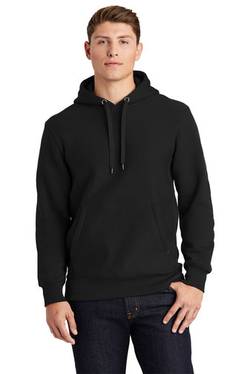


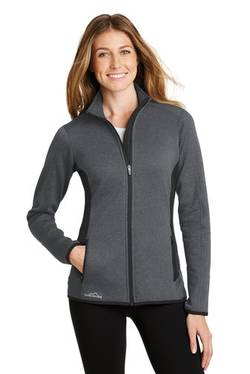


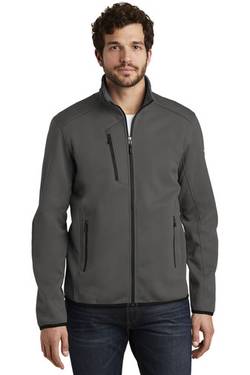


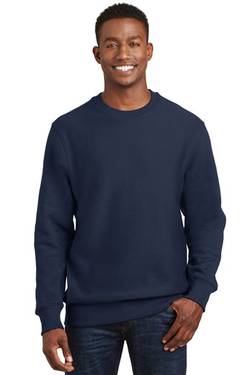

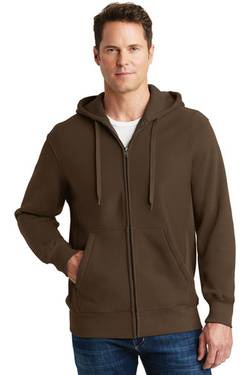


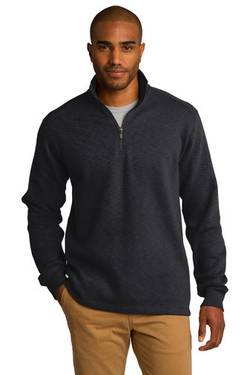


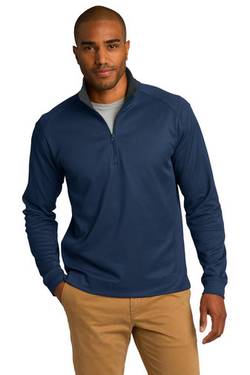


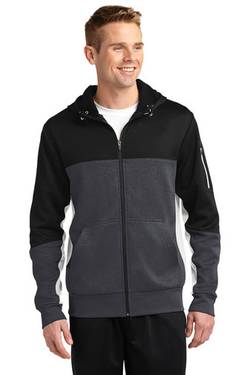


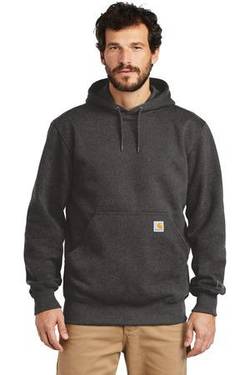


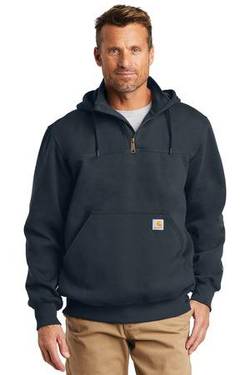
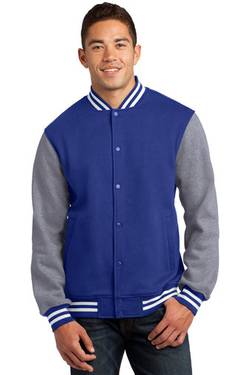


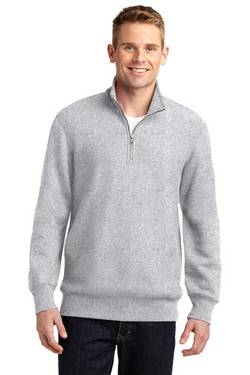


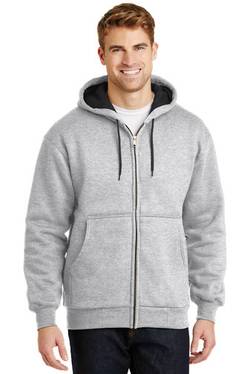


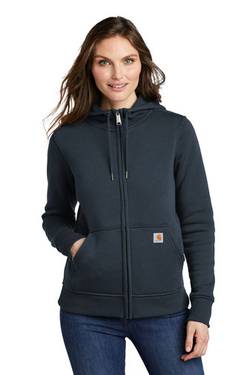


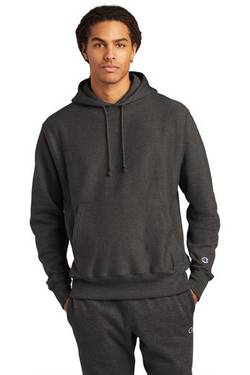


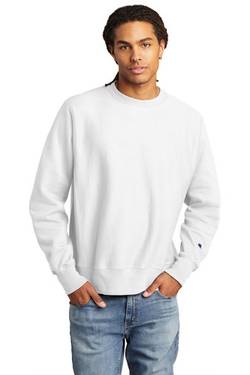
This category isn't a silhouette. It's a weight filter that runs across all of them - crewnecks, hoodies, zip fronts - pulling out the styles built from heavier fleece.
That framing matters, because buyers arrive here having already decided the garment needs to feel substantial and then discover they still have the cut to choose. ShirtsBargain’s wholesale heavyweight sweatshirts serve merchandise programs, outdoor crews, schools and decorators who want the heavier end of the range. What follows covers what the extra weight buys you, what it costs, and how to compare styles when every product photo looks the same.
Heavyweight Sweatshirts Made for Everyday Layering
Sweatshirt fleece is available in a wide range of weights, so compare the listed weight specification for each style rather than relying on category labels alone. As a general guideline, sweatshirts around 9.5 to 10 ounces per square yard and above may be marketed as heavyweight, although there is no universal standard, and the retail-feeling blanks that merch buyers ask for sit above 12.
There's no standard behind the word, so two suppliers can both call a garment heavyweight with two ounces between them. Compare the listed weight.
One thing the number won't tell you is warmth. Fleece weight includes the nap on the inside, and a deeply brushed 10-ounce fleece can feel warmer than a flatter 11-ounce one because the raised surface traps more air. Weight is a good proxy for substance and a rough one for warmth.
A Substantial Layer for Cooler Days
The case for heavy fleece is simple: Heavyweight fleece can provide added warmth and comfort for cooler conditions, depending on fabric construction and activity level.
Outdoor crews, coaches, groundskeepers and anyone standing still in the cold get more out of the extra ounces than someone walking between heated buildings. Movement generates heat; standing on a sideline doesn't.
It also holds up better to being worn hard. A dense fleece may offer good durability, although abrasion resistance also depends on fiber content, yarn quality and garment construction, which is why work programs and school athletic departments tend to specify heavier blanks even when the price per unit is higher.
Be honest with yourself about the indoor half of the equation, though. A heavyweight sweatshirt may feel too warm for some indoor environments, depending on temperature and individual comfort. If your group is split between indoor and outdoor roles, a heavy blank for everyone means half the order gets draped over a chair.
Clean Styles That Work Across Different Apparel Programs
Undecorated heavyweight sweatshirts are deliberately plain, and that's the point. No contrast panels, no busy seaming, nothing competing with the artwork.
For a merchandise collection, the blank is doing quiet work: it has to feel like something worth paying for while staying out of the design's way. That's why so much branded merch converges on simple, heavy, solid-color fleece.
Company programs use the same logic. A plain heavyweight crewneck with a chest logo reads as considered; the same logo on a garment with racing stripes reads as a giveaway.
Get More from Your Wholesale Sweatshirt Selection
Weight is where buyers start and it shouldn't be where they stop. Three things separate two sweatshirts of identical weight.
Fleece construction. A brushed interior is warmer and softer; the tradeoff is that a raised surface pills with wear, and it does so faster on cotton-rich fabrics. Unbrushed looped fleece stays smoother longer and feels less warm.
Ribbing quality. Cuffs, waistbands and collars are high-wear areas, so their construction and elasticity are important when evaluating durability. Ribbing with some spandex recovers its shape; plain cotton ribbing stretches out and stays that way though it also depends on the material and construction quality. On a garment meant to last three seasons, this matters more than an ounce of fabric weight.
Fiber ratio. More cotton means softer hand and more shrinkage. More polyester means better shape and color retention through repeated washing. The ratio, not the word "blend," is what you're comparing.
Then there's the cost nobody accounts for at the quoting stage: shipping.Heavier sweatshirts can increase freight and individual shipping costs, especially on large-volume orders, and on 300 units that difference shows up in freight. For ecommerce sellers shipping individually, it lands on every single order for the life of the product. Worth checking before you commit to the heaviest blank available.
Classic Fits for Teams, Work Crews & Retail Collections
Most groups are well served by a standard fit in a heavier fabric, without needing anything specialized.
Work crews want room to move and sleeves that don't ride up when reaching. Teams want something that goes over a jersey or a base layer. Retail collections increasingly want the opposite - a boxier, shorter cut that reads as current rather than traditional.
Those are different garments even at the same weight, so compare chest width and body length in the size chart rather than trusting the size letter. Between a traditional blank and a modern retail cut, a large is not a large.
Fit runs bigger in this weight class generally, because heavy fleece has bulk of its own. A group that averages large in t-shirts will not necessarily average large here.
Plain Sweatshirts Ready for Your Brand Identity
Buyers searching for a plain heavyweight sweatshirt wholesaler are usually building something: a merch line, a uniform program, an inventory position ahead of a season.
For a clothing brand, decide the blank before the label program. Neck construction determines what's possible with relabeling, and it's far easier to specify at the sourcing stage than to work around after 400 units arrive.
Decorators keep a heavy blank alongside a standard one because customers ask for both, and the sample in your hand is what closes the job. The two don't substitute for each other. Customers seeking a substantial heavyweight feel may notice a meaningful difference between heavier and lighter fleece options.
Eddie Bauer & Sport-Tek Styles for Branded Heavyweight Apparel
Two heavyweight sweatshirt wholesale lines aimed at genuinely different buyers.
Eddie Bauer Layers with a More Refined Look
Eddie Bauer sits at the premium end of corporate apparel, and it comes into play when the garment is a gift or an executive-level item rather than bulk staff clothing.
The reasoning is about what the recipient perceives. A client gift, a board member's jacket, an anniversary award - these compete with what someone would buy for themselves, and a recognized outdoor brand does work that an unbranded blank can't. The unit cost is higher and the quantity is usually smaller.
Browse the Eddie Bauer range in ShirtsBargain when the garment is the gift rather than the uniform.
Sport-Tek Options for Active Teams & Outdoor Programs
Sport-Tek is the athletic side: teams, coaching staff, training programs and outdoor groups.
The practical difference is fabric direction. Performance-oriented lines lean toward higher polyester content, which dries faster and holds color through a full season of washing - worth prioritizing when the same garment gets worn twice a week from October to March.
Check out our Sport-Tek selection for teams and active programs.
Where Bulk Heavyweight Sweatshirts Make Sense
Heavyweight fleece typically carries a higher unit cost than lighter sweatshirt options, although pricing varies by brand, style and quantity, so the volume decision deserves more care than it gets with tees.
Outfit Staff, Teams & Event Groups with One Consistent Look
A matched group looks matched at the level of detail people actually notice: same style, same color, same decoration placement.
Order the full size run in a single purchase where possible. Fleece is dyed in batches, and a color ordered twice months apart can come back a shade off - visible immediately when the group stands together.
Where roles differ enough that one garment won't work, run two silhouettes in the same weight and color rather than compromising. A crewneck sweatshirt for staff who need something simple, full zip hoodies for crews who take a layer on and off. They'll still read as one program.
Stock Up for Resale, Promotions & Seasonal Demand
Timing drives this. Heavy fleece sells from roughly September through February, and the buying happens well before that.
Decorators and promotional companies who wait until the first cold week are competing with everyone else for the same inventory in the same core colors. The practical move is to hold a position in navy, black and heather grey early, since those are the shades that sell across every account and the ones most likely to be short later.
Retailers and ecommerce sellers should think about repeat availability before listing anything, and before they buy wholesale heavyweight sweatshirts. A heavy sweatshirt listing takes months to build and a discontinued blank ends it.
Make Your Heavyweight Sweatshirts Part of a Custom Collection
Decoration on heavy fleece behaves differently than on a tee or a light sweatshirt, and planning for your custom sweatshirts heavyweight styles up front prevents most of the problems.
Add Logos, Names & Artwork Without Losing the Garment's Character
The surface is the constraint. A deeply napped fleece has a texture that fine detail sinks into, so thin lines and small type lose definition in a way they wouldn't on jersey.
For screen printing, that means simplifying artwork rather than shrinking it, and expecting a softer edge than the same file would produce on a t-shirt. Heavy fabric does hold a thick ink deposit well and prints won't bleed through to the inside, which is an advantage over lighter blanks.
For embroidery, thickness is generally helpful. Heavier fleece can support dense embroidery more effectively than some lightweight fabrics, although proper backing, digitizing and stitch density are still important. The nap still needs managing, which is what topping and backing are for, and a design with very small text is better simplified than reduced.
Keep placements clear of ribbing, seams and any pocket edge. Anything stitched across a seam won't lie flat.
Keep Colors and Branding Consistent Across Larger Orders
Approve thread and ink colors against your actual brand colors before the run, not after. Thread doesn't match every Pantone exactly, and a batch of garments in the wrong blue is a full reprint.
Heather and marled fabrics change how ink reads, since there's no single flat color underneath. Solid colors are more predictable when the artwork has detail.
Keep a written record of the product style code, color, thread and ink colors, art file and size breakdown. It turns next year's order into a short conversation instead of a rebuild.
Buy Wholesale Heavyweight Sweatshirts for Your Next Apparel Order
Compare weight, then fit measurements, then ribbing and fiber ratio. That order gets you to a shortlist faster than filtering by price, and it surfaces the differences that show up after fifty washes.
Plan Quantities Around Your Team, Customers or Campaign
Count past your headcount.Consider anticipated replacements, new hires and additional recipients when determining order quantities because they count current members and forget replacements, new starters and the people who ask afterward.
On a garment this expensive, put your overage where it gets used - the middle sizes - rather than spreading it evenly across the run. Consider keeping a modest overage based on historical demand, replacement needs and your group's size distribution rather than using a fixed percentage for every order.
Retail and resale buyers should size their position to the season rather than the initial order. Reordering in December means paying whatever the market charges, if the color is even available.
Keep Future Reorders Easier with Consistent Styles
Choose blanks that stay in production. A style that's been available for years is one you can build a uniform program or a product listing around; a seasonal introduction may not survive to next year.
Reorder by style number rather than description. "The grey heavyweight we bought last time" is how programs end up with two garments that don't match.
If a full heavyweight turns out to be more than the program needs, the lighter options across our blank pullovers, half-zip sweatshirts and quarter-zip sweatshirts cover the same uses at a lower unit and shipping cost. The complete range sits in wholesale hoodies and sweatshirts collection.