






A vest exists because of arms. Everything else about it follows from that.
Someone loading a truck, driving a route, climbing a ladder or working a trade show needs their torso warm and their arms free. A jacket gets in the way; a vest doesn't. That's the reason this garment shows up on outdoor crews, delivery fleets and sales teams rather than in a closet, and it's the reason a blank vest is one of the easier bulk apparel decisions to get right.
Our wholesale vests sit within the wider wholesale jackets range, so if the job actually calls for sleeves, that's the place to start instead.
Blank Vests for Layering, Work & Everyday Wear
The category splits into three constructions, and they behave differently enough that picking the wrong one shows up on the first cold morning.
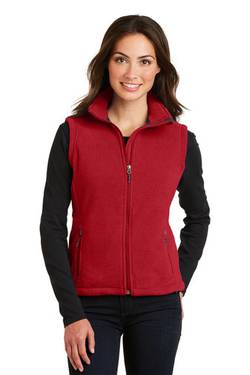
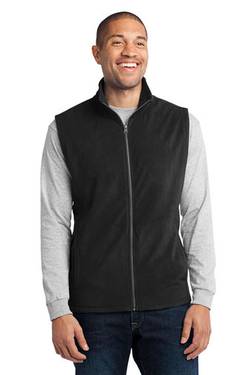
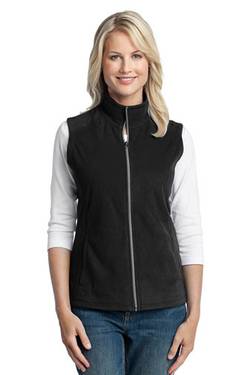
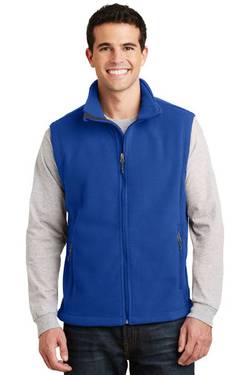
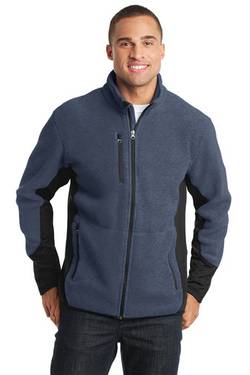
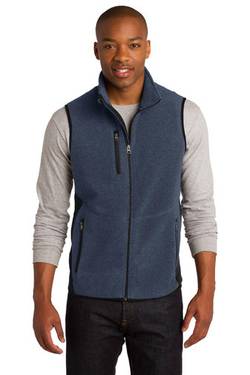
Fleece vests are soft and insulating but generally provide less wind resistance than woven or soft-shell vests. Wind cuts straight through fleece, which is fine indoors or under a shell and disappointing on an exposed site.
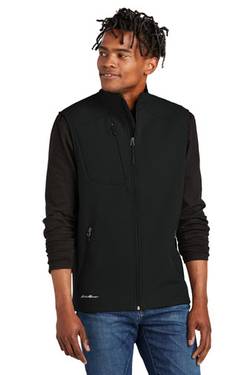
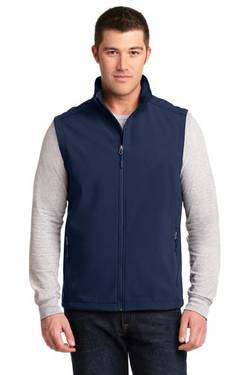
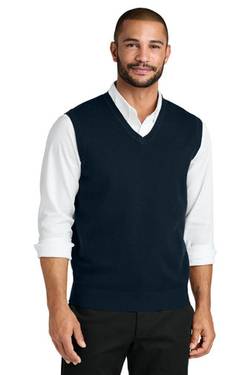
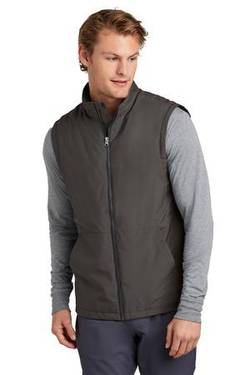
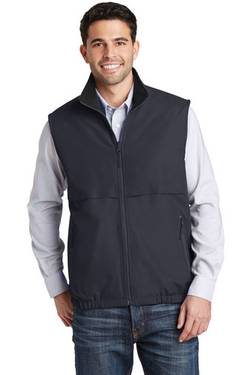
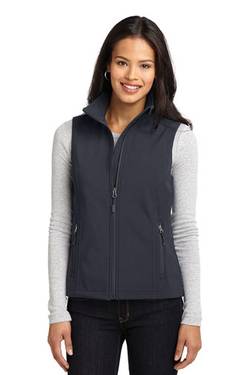
Soft shell and woven vests can provide better wind resistance and light weather protection, depending on the fabric and finish. This is the corporate and business-casual end of the category.
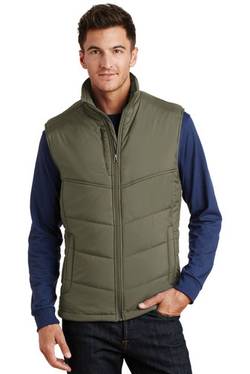
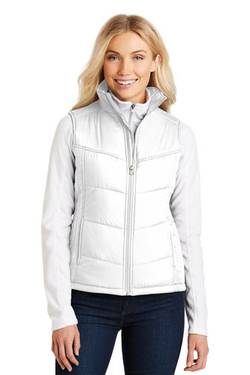
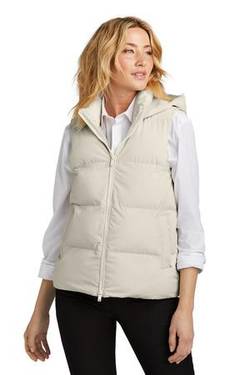
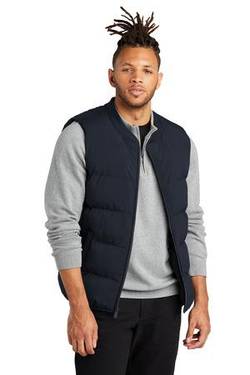
Insulated and quilted vests carry fill for warmth and a shell to hold it in. Warmest of the three, bulkiest, and the most complicated to decorate - more on that below.
One thing to be clear about: a high-visibility safety vest is a different product governed by a published standard, not a garment choice. If your crew needs ANSI-rated visibility apparel, that's a separate category rather than a color option here.
Easy Layers for Changing Weather
The practical range of a vest is wider than people expect. Over a polo it handles a cool morning; over a hoodie or a fleece it handles genuine cold; on its own indoors it reads as part of a uniform rather than outerwear.
That flexibility can make vests useful across a wider range of temperatures and seasons than some jackets. A jacket is a decision about the weather. A vest mostly isn't.
The limit is real, though. When the temperature drops far enough that arms need covering, a vest stops being enough regardless of how warm the fill is. Crews standing outside through a northern winter need insulated jackets or a parka jacket, with vests being part of the layered outfit.
Practical Styles for Teams, Staff & Outdoor Activities
Delivery and field service teams want arms free for lifting and driving, plus something identifiable at a customer's door.
Warehouse and maintenance staff work in unheated space where a full jacket is too much once they're moving. A vest can provide core warmth while allowing more airflow and freedom of movement than a full jacket.
Hospitality and retail staff wear them indoors as a uniform layer - front desk, valet, grocery, garden center. In these settings the vest is doing identification work more than warmth work.
Sales teams, real estate offices and finance firms buy them as branded business-casual layers. Branded vests are commonly used as business-casual layers in client-facing and professional settings, which is a large part of why this category keeps growing.
Coaching staff, event crews and volunteer groups use them for the same reason: instantly identifiable, comfortable across a range of temperatures, and nobody has to take it off to work.
Wholesale Vests That Make Group Apparel Simple
Vests are unusually forgiving in a group order, which is worth knowing when you're outfitting a mixed workforce.
There's no sleeve length to get wrong, no cuff to sit awkwardly, and the fit tolerance is wider than on a jacket. A vest that's slightly large still looks intentional. Because vests do not require sleeve-length fitting, they can be easier to size across a mixed group than some types of outerwear.
Coordinated Vests for Employees & Event Teams
Identification is the main job in a staff setting, and it works best when the vest contrasts with what's underneath. A vest color that contrasts with the shirt underneath can make staff easier to identify in group or event settings.; navy over navy doesn't.
For events, that visibility matters more than anything else. An attendee scanning a crowded room for someone who works there is looking for a consistent block of color, not a logo they can't read from thirty feet away.
Keep the whole group in one color and one style. Two similar vests in the same shade look like an accident rather than a program.
Blank Options for Custom Uniform Programs
Undecorated vests give a uniform program room to be specific. Company logo on the left chest, department or role on the opposite side, employee name underneath - all on a garment that costs less than a decorated jacket and gets worn more often.
For multi-site or multi-department operations, the usual approach is one vest style across everyone with the decoration carrying the difference. Same garment, different chest text. It keeps the reorder simple and the program visually consistent.
Port Authority & Sport-Tek Vests for Branded Apparel
Port Authority Layers for a Polished Work Look
Port Authority is built around corporate and hospitality apparel, and vests are one of the strongest parts of that case.
The garment has to sit next to dress shirts, polos and existing uniform pieces without clashing, which is easier when the palette was designed to coordinate in the first place. For offices, front-of-house teams and client-facing staff, that matters more than any single feature.
Browse the Port Authority range in ShirtsBargain when the vest is part of a business or hospitality uniform.
Sport-Tek Options for Active Teams & Outdoor Use
Sport-Tek sits on the athletic side: coaching staff, teams, outdoor programs and anyone who needs to move.
The practical difference is fabric behavior across a season. Performance-oriented lines lean toward polyester construction that dries faster and holds color through repeated washing, which is what a garment worn at every practice from September to November actually needs.
Navigate our Sport-Tek selection for teams and outdoor groups.
From Blank Vest to Branded Teamwear
Decoration is where vests get more complicated than the garment looks, and the complication is worth understanding before you order.
Add Logos, Names & Team Details
Embroidery is the standard, and the vest construction determines how easy it is.
Fleece and soft shell vests take embroidery straightforwardly. Fleece embroidery may benefit from appropriate backing and topping, depending on the fabric and design; woven soft shell holds detail well and is one of the better outerwear surfaces for a detailed logo.
Quilted and insulated vests are the difficult case. Stitching has to pass through the shell, and embroidery on down or loose-fill vests requires careful placement and technique because stitching can affect the shell and insulation. Decorators handle this with backing and careful placement, but it's a job that needs discussing before the order rather than after.
Water-resistant shells raise a related issue. Embroidery puts holes in the fabric, which compromises the water resistance exactly where the stitching sits. On a garment bought for weather protection, that's a genuine tradeoff.
Decoration compatibility varies by shell fabric and coating, so confirm whether screen printing, heat transfer or embroidery is suitable for the specific vest. Heat-applied transfers designed for outerwear are the usual alternative when embroidery isn't wanted.
Match Vest Colors with Your Existing Apparel
Bring the shirt to the vest, not the other way around. The vest is the layer that goes over everything else, so it has to work with the polos and button-downs already in the program.
Check them together physically. Two navies from different product lines are rarely the same navy, and the mismatch is obvious when a collar sits against a vest all day.
Thread color deserves the same treatment. Approve it against your actual brand colors before the run, since thread doesn't hit every Pantone exactly and a batch in the wrong shade is a full replacement.
Neutral shells are the safe choice for a program that will outlive its current shirts. Neutral colors such as black, navy and grey can be easier to coordinate with a range of uniform pieces; a distinctive shade locks you in.
Bulk Vests for Businesses, Events & Outdoor Crews
Plan Quantities Around Your Workforce or Group
Vests can be a cost-effective layering option for a broad range of employees, depending on role, climate and uniform needs. Count accordingly- the list usually runs longer than the headcount you started with.
Roles matter more than departments when estimating. Anyone outdoors, anyone customer-facing, anyone in an unheated space. Office staff who never leave the building often don't need one, and buying for them inflates the order without improving the program.
Order a few spares in the middle sizes at the same time as the main run rather than waiting for a need. Keeping a few spare vests can reduce the need for small reorders, where pricing and dye-lot consistency may differ from the original order.
Keep Reorders Straightforward as Your Program Expands
Record the style number, color, thread colors, logo file and size breakdown when the first order goes in. Next year's addition becomes a short email instead of a reconstruction.
Choose styles with a production history. A vest that's been available for several seasons is one you can build a uniform program around; a new seasonal introduction may not be there when you need eight more.
If a program grows past what a vest can cover, keeping the same brand and color across garments holds it together. A zip-up jacket or puffer jacket in a matching shade reads as the same program rather than a separate purchase.
Get Your Blank Vest Order Moving with ShirtsBargain
Vests Ready for Customization or Immediate Use
Plenty of vests get bought and used as they are. Warehouse teams, seasonal event staff and crews who need a layer today don't always need a logo on it.
For anything customer-facing, decoration is what turns the garment into a uniform. Decide which case you're in before choosing the style, because it changes what matters: a vest bought for embroidery needs a decoration-friendly chest panel, while a vest bought for warmth alone doesn't.
A Practical Apparel Choice for Repeat Orders
Compare construction first - fleece, soft shell or insulated - then color against your existing uniform pieces, then the size range across your actual group.
If wind and rain are the real problem rather than cold, a shell jacket covers the arms a vest leaves exposed, and buying both in the same color gives a program that works across three seasons instead of one.